India has resumed key agricultural exports to Russia, marking an important development in bilateral trade relations. The restart of tea, rice, and other agricultural commodity exports creates significant opportunities for freight forwarders and logistics providers handling bulk shipments.
The resumption of these exports comes at a time when global supply chains are being reconfigured, creating new trade corridors and logistics challenges. For freight forwarding companies, this means adapting to new routing requirements and ensuring seamless delivery despite changing geopolitical dynamics.
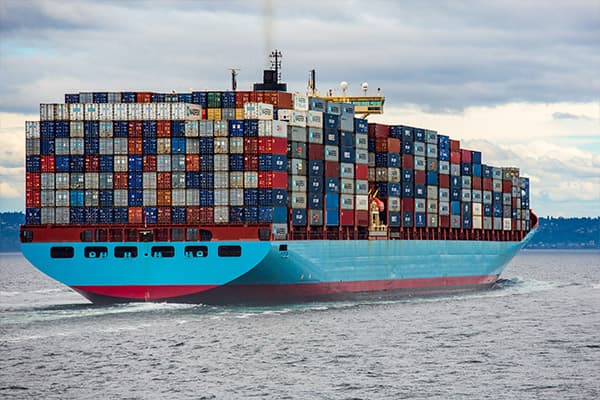
Tea exports from India to Russia have historically been substantial, with Russia being one of the largest importers of Indian tea. The restart of these shipments requires careful coordination of ocean freight services, warehousing at port facilities, and efficient customs clearance processes.
Rice exports present their own unique logistics challenges. As a bulk commodity, rice shipments require specialized handling, appropriate containerization, and careful management of transit times to maintain quality. Freight forwarders must ensure proper documentation and compliance with both Indian export regulations and Russian import requirements.
Beyond tea and rice, other agricultural commodities including spices, coffee, and processed foods are also seeing increased demand from Russian buyers. This diversification of export commodities creates opportunities for logistics providers who can offer comprehensive solutions across multiple product categories.
Global Consolidators & Forwarders, with its extensive experience in handling agricultural commodity shipments and its network of reliable carrier partners, is well-equipped to support exporters looking to tap into the Russian market. Our customs broking expertise ensures smooth clearance of goods at both origin and destination ports.